
Sunshine, Mud, and Magic: Recapping Our 2026 Broadmoor Summer Camp Weeks!
🧠 The Science of Summer Play: Why It Matters
Behind the mud pies, water tunnels, and painted rocks lies a deep foundation of early childhood development. In early childhood education, summer camp is not just "childcare"—it is a critical cognitive bridge.
Two major scientific studies highlight why continuing unstructured, free play during the summer months is essential for young minds:
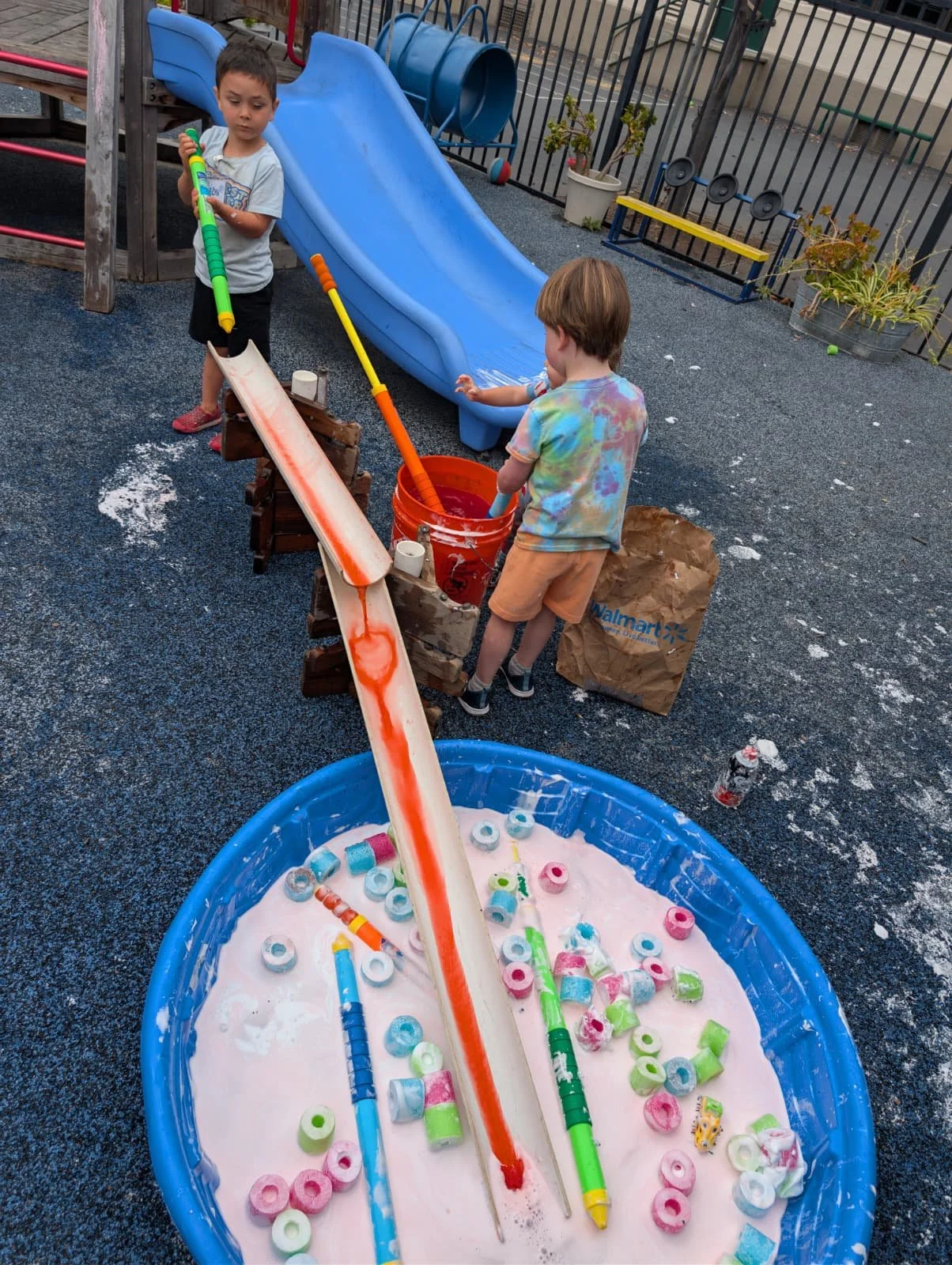
Preventing the "Summer Slide" through Play: A landmark clinical report published by the American Academy of Pediatrics—The Power of Play: A Pediatric Role in Enhancing Development in Young Children—highlights that active, child-led free play is crucial for developing the executive function and cognitive adaptability kids need over summer breaks. When children direct their own play—like choosing how to channel water through tubes or building structures—they are exercising critical-thinking skills and self-regulation without the rigid pressure of structured academic settings.
Easing Transition Anxiety and Building School Familiarity: Transitioning into a school environment comes with a natural wave of anxiety. A study published in the National Institutes of Health (NIH) PMC Database—Effects of an Unstructured Free Play and Mindfulness Intervention on Wellbeing in Kindergarten Students—found that unstructured play is highly effective in promoting children’s happiness and playfulness. The researchers concluded that these positive emotions directly support young children's mental health and wellbeing as they navigate significant stressors, such as school transition and parent-child separation.
By attending a relaxed summer camp, children experience a gentle, stepped transition from spending no time on campus, to spending a little time, to confidently stepping into recurring preschool days this fall.